
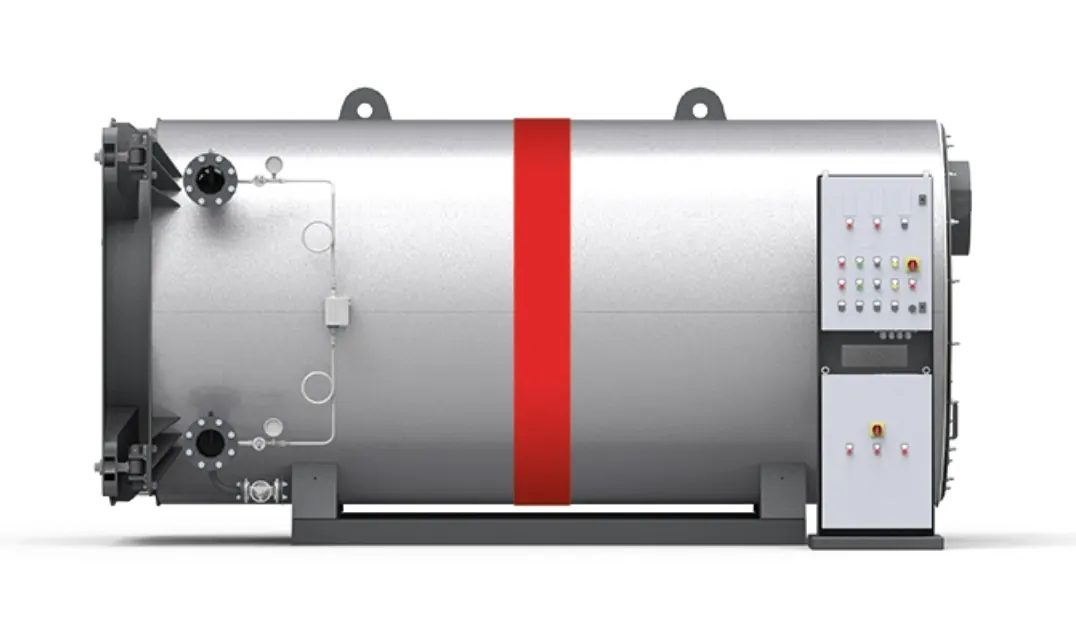
High efficiency and condensing technology
Modern commercial boilers recover more energy from combustion, which cuts fuel consumption and operating cost. Efficiency is no longer the only measure. Engineers and facility managers now look at total life-cycle cost: fuel, maintenance, reliability and expected service life.
Cascade systems
Several boilers working together can match real demand more closely than one large unit. At low demand a single boiler runs. As demand rises, the others start automatically.
Digital controls
Smart monitoring measures water temperature, pressure, fuel consumption and operating hours continuously. Maintenance teams can spot a problem before it becomes a failure.
Water treatment still matters
Proper treatment reduces scale, corrosion and efficiency loss, and extends the life of heat exchangers and other critical components.
What it means for owners
For hotels, hospitals, commercial buildings, factories and large residential developments, a modern hot water plant brings lower energy use, better reliability and lower long-term maintenance cost.
Need help with this in Qatar?