
What ATEX means
ATEX refers to the European directives on equipment used in explosive atmospheres. Equipment is designed, tested and marked for the type of hazard and the zone where it will be installed. The marking tells the user the protection method, the gas or dust group and the maximum surface temperature.
Zones decide the equipment
Hazardous areas are divided into zones by how often an explosive atmosphere is present. For gas, zone 0 is present continuously or for long periods, zone 1 is likely in normal operation and zone 2 is unlikely and brief. Dust areas have their own zones. The site safety documents set the zone, and the equipment category must match it.
Where it is used
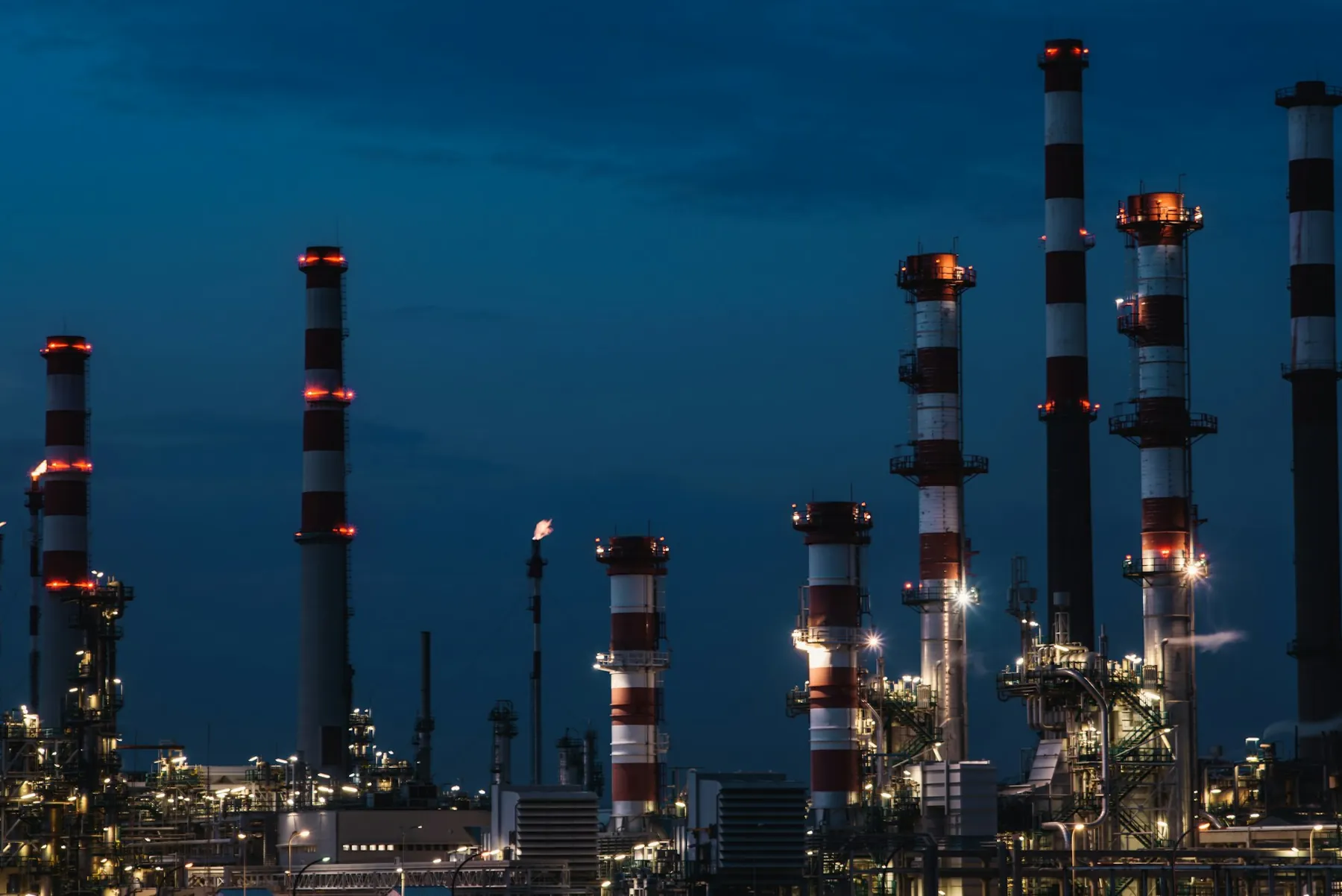
Offshore platforms, oil and gas facilities, refineries, vessels and gas tankers, military installations and other sites where flammable gas or dust may be present need explosion proof cooling for control rooms, instrument cabins and living quarters.
Types of unit
Wall hung and ceiling hung indoor units, cassette units and package units can all be built to ATEX requirements. Elec Qatar supplies bespoke ATEX units made to the client’s requirement, with factory trained technicians and two years of spare parts back-up with every unit.
What to give the supplier
Send the zone classification, gas or dust group, temperature class, cooling load, power supply and installation location. With these a supplier can quote the right unit and certification.
Need help with this in Qatar?